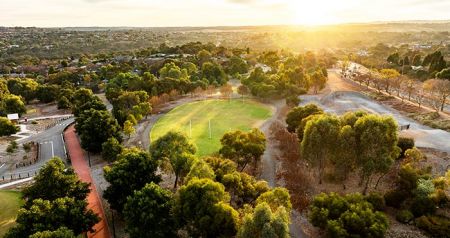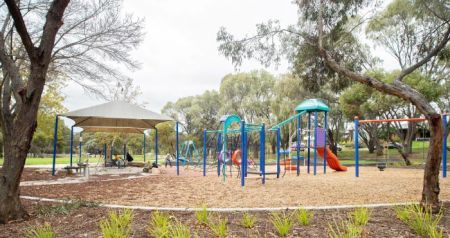
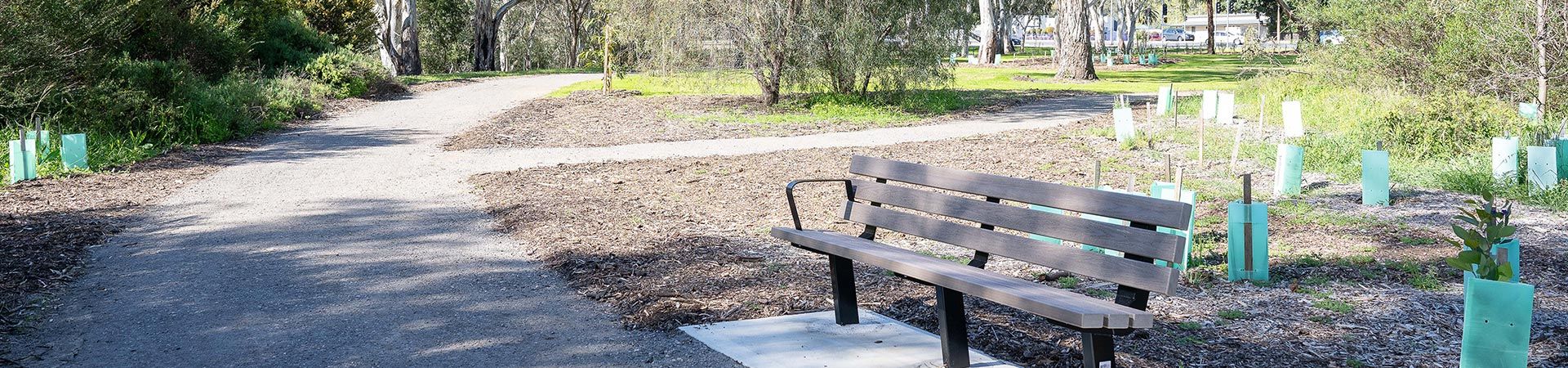
Designing open spaces to be functional involves ensuring that the space meets the practical needs of users while being adaptable, accessible and efficient.
A well-designed functional open space can serve multiple purposes, support diverse activities and be used in a variety of ways, while also contributing to the aesthetic and environmental quality of its surroundings .
General –
- A well-designed space should be practical, provide for a range of activities, be easy to maintain and enhance the overall quality of life for its users.
- Clearly delineate different areas within the open space for specific activities (e.g. sports, relaxation, social gathering, play, etc.).
- Zoning helps prevent conflict between activities and makes the space more usable.
- Design the space to promote safety and a sense of security. This includes well-lit pathways, clear sightlines and the use of natural surveillance (e.g. placing seating areas in locations visible from streets or other highly trafficked zones).