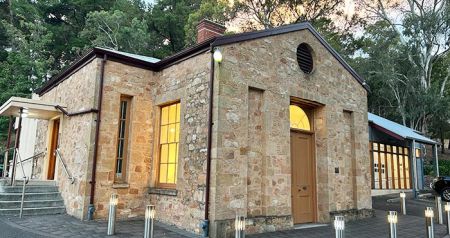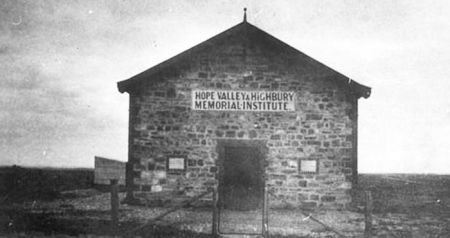

Historic areas and identified heritage places, whether they are urban districts, historic buildings or cultural landscapes, often have physical constraints that limit the ability to alter or retrofit the space for modern needs. However, Council is committed to following ‘universal design’ principles wherever possible, which guide the design of environments to minimise access difficulties and be inclusive to as many people as possible.
Any design interventions should be reversible, minimally invasive, seamlessly integrated and complement the existing heritage fabric without detracting from its authenticity. Involve conservation and access specialists early in the design process to ensure that accessibility measures are in line with best equitable practice heritage conservation guidelines.
Advice may be sought from Councils DAIP (Disability Access and Inclusion Panel) as required. All enquiries should be directed to Councils Community Inclusion Officer.
General
- To successfully incorporate access and inclusion in the design of historic areas, a balanced approach is necessary. This involves understanding why an area or place is significant, what is of significance and integrating modern solutions that improve usability, mobility and safety.
- Public spaces within historic areas such as squares, parks and open spaces, should be designed to be safe and inclusive for everyone.
- Pathways should be continuous, level and wide enough to accommodate all users, with appropriate tactile paving, clear signage, regular maintenance and comply with any relevant Australian Standards.