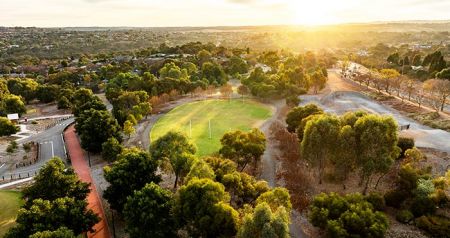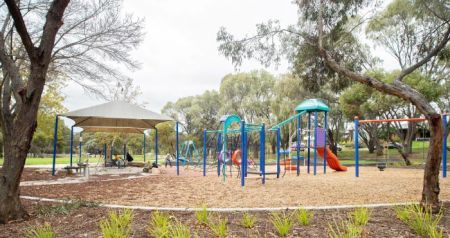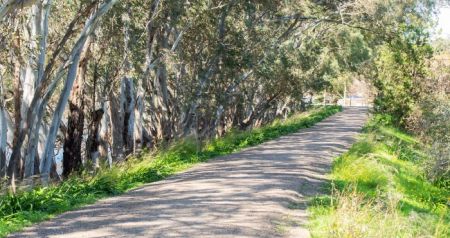

Soft landscaping includes plants and all the other natural, decorative elements e.g. plants, hedges and turf. Planting is vital in providing natural amenity, character and interest.
Including soft landscaping in open space design not only beautifies an area but also supports environmental sustainability, biodiversity and human well-being.
Consult with Field Services' Supervisor Parks & Reserves and Technical & Engineering Services Coordinator Environmental Services regarding soft landscape design, procurement or ordering.
General
- Refer to the Tree Management Procedures and section 6.4 for any proposed works in Tree Protection Zones.
- Prioritise native or regionally adapted plants that are well-suited to the local climate, soil and water conditions. Native plants support local wildlife, including birds, insects and pollinators, and require less maintenance, irrigation and chemical input.
- Choose a diverse range of plant species to create a resilient and balanced ecosystem. Including a mix of trees, shrubs, groundcovers, grasses and perennials will provide year-round interest, support wildlife and ensure the space is visually dynamic.
- Use organic mulches around plants to retain soil moisture, suppress weeds and regulate soil temperature.
- Group plants according to their water needs. This creates more efficient irrigation zones and ensures that plants requiring high water are not placed alongside those that are drought-tolerant.
- Plan for the maintenance of plantings, including how often plants will need pruning, cutting back or deadheading to maintain their appearance and health.