
Active living is a way of life that includes physical activity as part of daily routines.
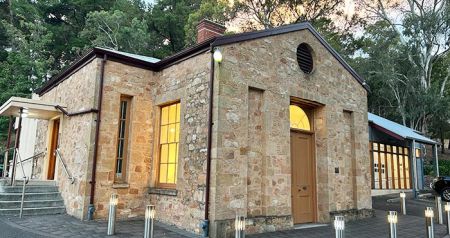
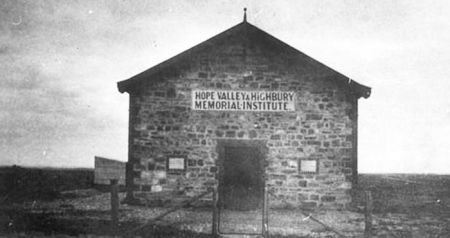
By integrating pedestrian-friendly paths, public spaces for interaction, green spaces, inclusive facilities and historic areas and heritage assets, designers can create vibrant, sustainable environments that cater to the diverse needs of the community while preserving the identity, significance and historic character of the place.
Involve conservation specialists early in the design process to ensure that active living measures are in line with best practice heritage conservation guidelines.
General
- Pavements and footpaths must provide a practical and safe ground surface for the public realm.
- Provision of good paving and footpath treatments also supports more active and liveable communities.
- Consider respectful designs that give prominence to heritage places and avoid historic replications.
- Public spaces should be well lit after dusk to promote comfortable and safe use of the space. Consider uplighting of heritage listed facades.
- Provide spaces that invite people to engage in physical activity—whether through informal play, organised sports, walking or just gathering and socialising.