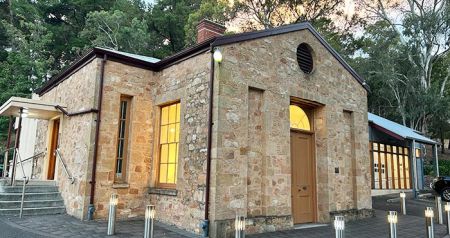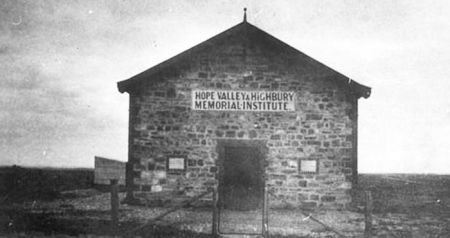

Surface treatments include materials and finishes used for pathways, pavements, under-furniture treatments, buffer edge treatments, decking/boardwalks, roads, plazas, courtyards and other outdoor surfaces.
Designing surface treatments for historic areas or identified heritage places starts with understanding why and what is of significance. The goal is to enhance the heritage experience without compromising the site's historical value.
Involve conservation specialists early in the design process to ensure that surfaces are in line with best practice heritage conservation guidelines.
General
- Best practice involves undertaking a survey and assessment of existing surfaces for things such as width, gradient, condition (as well as: is it original, can it be replaced?)
- Careful consideration should be given to the way paving abuts a building, the detailing of edge treatments, kerbs and water tables and materials used.
- Consider respectful designs that give prominence to heritage places and avoid historic replications.
- Pathways must provide a practical and safe ground surface for the public realm.
- Pathways should also add to the palette of materials and add to its identity and sense of place.
- Provision of good paving and footpaths also supports more active, liveable and accessible communities.