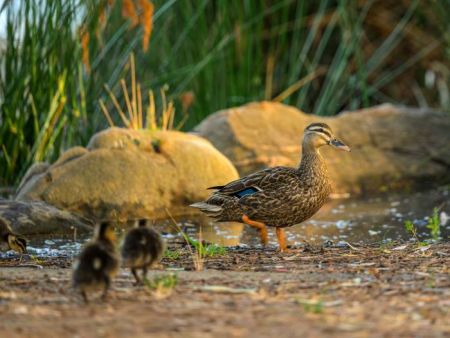
If it’s feathered, don’t feed it
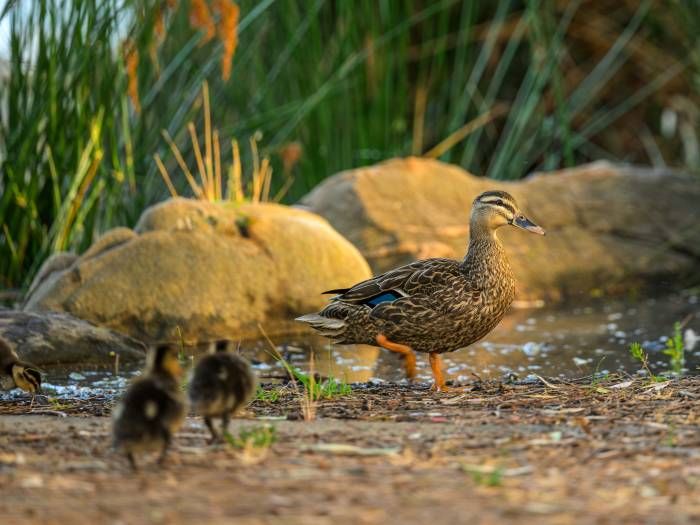
Feeding birds, whether its ducks at the lake, birds at your local park, magpies in your front yard or other wildlife, is not encouraged.
Human food, especially bread and leftover food scraps, is causing real harm to wildlife across our community.
We’re asking residents to help protect birds and other wildlife by only letting them find food naturally.
What you can do instead
You can still enjoy wildlife, just without feeding it.
- Observe from a distance.
- Take photos instead of offering food.
- Dispose of leftover food scraps in your compost or green bin.
- Talk to children about why wildlife needs to forage for their own food.
By choosing not to feed birds and other wildlife, you’re helping protect their health, our lakes, parks, reserves and the natural balance of our community.
Wild birds, including ducks, magpies and other native species, naturally find their own food. They eat seeds, insects, worms and small animals they find. This natural diet keeps them healthy.
Human food, especially bread, pantry items and leftover food scraps, does not provide the nutrients they need.
Feeding birds can lead to:
- weak wing development
- obesity
- digestive and stomach problems
- change in behaviour resulting in aggressive wildlife
- dependency on humans
- loss of natural foraging skills, particularly in young birds
- large gatherings of birds in community locations.
This applies everywhere, not just parks and lakes
While feeding often happens at parks and lakes, it also occurs:
- in suburban streets
- in front yards
- outside schools
- near sporting grounds
- around local shops.
Birds do not need food supplied in any of these locations.
Even occasional feeding contributes to long-term behaviour changes and environmental impacts.
Our parks, reserves and waterways are carefully managed ecosystems. Feeding birds and other wildlife disrupts that balance.
At lakes and wetlands, feeding birds can pollute water. Leftover food can sink into the water, break down and cause algae growth. This reduces oxygen levels, which can harm fish and other wildlife that rely on the water source.
On land, feeding birds encourages overcrowding, with large numbers gathering in one area. This can lead to excessive droppings, pollution and bacteria build-up, and can also cause damage to property and public spaces. It can also attract unwanted pests.