Wildlife friendly gardening
It’s easy to grow a beautiful, resilient native garden that provides for native birds, butterflies, lizards and other wildlife.
Native plants provide essential food and habitat for local wildlife, playing a key role in supporting the local ecosystem.
Choose ground covers, grasses, shrubs and trees—many are low-maintenance and attractive.
Use a mix of plant sizes to add structure to your garden and support more wildlife.
See the Local native plant list for full details.
Native gardens suit all styles - cottage, formal or bushy. With varied foliage, flowers and fruites, they are stunning, resilient and wildlife friendly. More information: Choosing your plants
Native bee and butterfly gardening
Local gardens with a variety of plants can provide nectar and pollen resources year round. This is particularly important when natural open spaces are depleted of suitable flowers.
Butterflies and bees are important as they pollinate gardens, horticultural crops and our bushland and native plants. They are also an important part of the food chain feeding birds, microbats, lizards, frogs and some mammals.
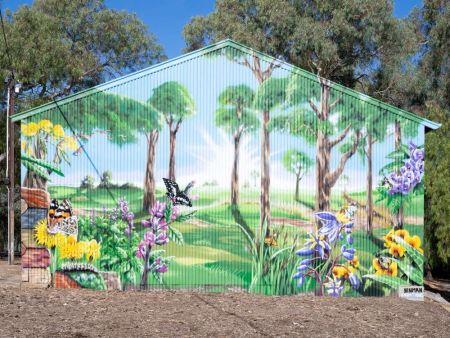
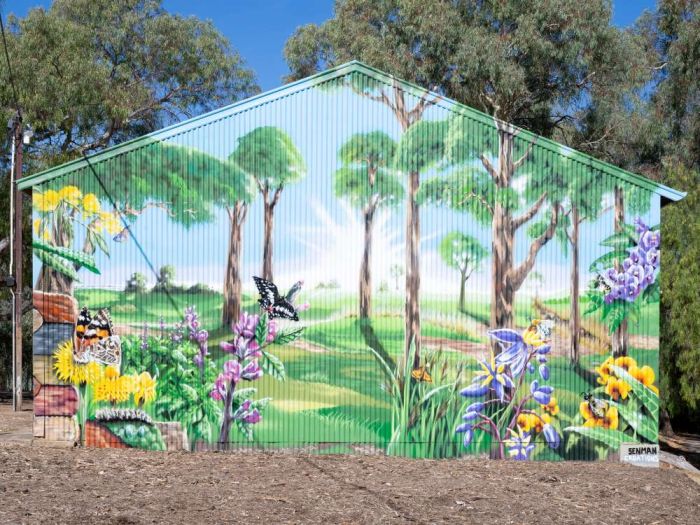
Visit our native bee and butterfly demonstration garden and mural at Kingfisher Reserve, Modbury Heights. This new garden will blossom over coming years showcasing local native plants that you can use in your garden to support native bees and butterflies.
See the complete list of plants included in this garden.
Our tips for having a bee and butterfly friendly garden
- Plant small plants in groups so they can easily be found by insects
- Butterflies will only fly once they are warm - place your butterfly nectar plants in full sun from mid-morning to mid-afternoon
- Shelter your butterfly nectar plants from the wind. Butterfly wings are very fragile and can be easily damaged.
- Butterflies need water so if you don’t have a pond or water feature they can access, place shallow bowls of water in protected locations in your garden
- Avoid pesticides and in particular insecticides as these will affect or potentially kill the insect life including bees and butterflies in your garden
- Native bees include the Blue Banded Bee, Resin Bees, Leaf Cutter Bees and Golden Pea Bees. Blue Banded Bees and Golden Pea Bees nest in the ground so leave some areas of your garden free of mulch and weed mat
- Native bees are solitary and do not live in hives. They are not aggressive and only the females sting in defence
- Native bees prefer native flowers to feed from so include variety such as native pea flowering plants, daisies and tea trees
- If you would like to attract blue banded bees in particular, plant Native Flax Lily, Guinea Flowers, Desert Cassia and even tomatoes.
- For more information see Planting guide for native plants
Garden and mural sponsors