Food waste
People don't set out to waste food or use the wrong bin. But small daily habits can really add up.
It often starts with overcooking, uneaten leftovers, or fruits and vegetables forgotten in the back of the fridge. Over time that food spoils and becomes waste.
Food waste currently makes up about half of what we find in our red-lid landfill bins.
That’s 10,000 tonnes of food and organic material every year that could have been transformed into compost simply by putting it in the right bin. Now that’s a monster problem.
Cost of food waste:
- For your pocket: Food waste costs the average household between $2,000–$4,000 each year.
- For our community: By using our green-lid food and organics bins correctly, we could save approximately $1.6 million in avoidable costs. Money better spent on local projects and services.
- For the environment: When food ends up in landfill it produces methane, a harmful greenhouse gas. In the green-lid food and organics bin, it becomes a resource.
Be part of the solution
Most of us want to do the right thing with our waste. So if it doesn’t reach your belly, lift the right lid and put your old, unwanted food and scraps in your green-lid food and organics bin.
When we all make small changes like this, the benefits add up.
If it once grew, it can go in your green-lid food and organics bin. The following items can go in this bin:
- All food scraps including fruit, vegetables, meat, seafood and egg shells
- Tea bags and coffee grounds
- Tissues, paper towel and serviettes
- Shredded paper and cardboard, post-it notes and small pieces of paper
- Egg cartons
- Pizza boxes, compostable paper and cardboard food packaging
- Compostable kitchen caddy liners
- Nail clippings and hair
- Pet waste - loose or wrapped in newspaper
- Garden waste such as lawn clippings, small branches, leaves, weeds and flowers
Only bags, liners, food packaging and cutlery, certified as 100% compostable can go in your green-lid food and organics bin. Look for the seedling logo (AS 4736) or the home compost logo (AS 5810). Both are accepted in the green-lid food and organics bin.
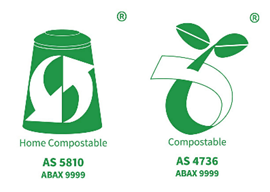
For a complete list of what goes in your green organics bin, visit whichbin.sa.gov.au
Recycling food scraps and organic material is easy with a Mini Muncher kitchen caddy.
- Your new kitchen caddy will be delivered to your door, along with a roll of compostable bags.
- Please allow up to eight weeks for delivery.
- For City of Tea Tree Gully residents only.
- Additional compostable bags are available from the Civic Centre
- Coles or Woolworths fresh produce bags are also compostable and can be used with your kitchen caddy
When using your kitchen caddy, you should only use certified compostable AS 4736 or home compostable AS 5810 bags. Look for the certified compostable logo.
The City of Tea Tree Gully collects your green organics bin fortnightly. The contents go to Jefferies Soils. They are turned into quality compost, soils, mulch and organic fertiliser products.
The products are used in gardens, market gardens, vineyards and farms around South Australia to restore nutrients to the soil and grow more food.
Make a plan
Planning your family meal’s for the week and preparing a shopping list can help you avoid buying food you don't need or won't use.
If overbuying is your thing, avoid going shopping when you're hungry, resist multi-buy deals and opt for loose fruit and vegetables so you can choose how much you buy.
Shop your pantry
Before heading to the shops, check what's already in your fridge and pantry as we often buy food we already have. Regularly checking also helps prevent food being forgotten and going to waste.
Store it correctly
Storing food correctly makes it last longer, but it can be difficult to know what should go where. Do you keep eggs in the fridge or pantry? Do tomatoes go in the fridge or fruit bowl? Sustainability Victoria's guide to food storage is a handy resource.
Use it up
Using up your food before buying more is the best way to reduce food waste at home. Try choosing a day a week when you plan to use up leftover fruit and vegetables. The best time to do this is the night before your weekly shop.
Not sure what to make? Many websites and apps, like Saveful, allow you to find delicious recipes based on the ingredients you have on hand.
Love your leftovers
Once your meal is over, use airtight containers to keep things fresh and place them front and centre in the fridge. After all, leftovers make a great lunch the next day. If you're unlikely to eat your leftovers over the following days, freeze them, making a mental note to enjoy them when you need a night off cooking.
Make your freezer your friend
Your freezer is one of the easiest ways to prevent food waste, but it can quickly become disorganised. Freeze food before its use-by date, portion it into airtight containers or freezer bags, and label items clearly so you know what to use first.
Compost your food waste
Some food waste is unavoidable. Even when food isn’t edible, it can still be useful. Placing food scraps in your green-lid food and organics bin allows them to be turned into nutrient-rich compost instead of going to landfill.